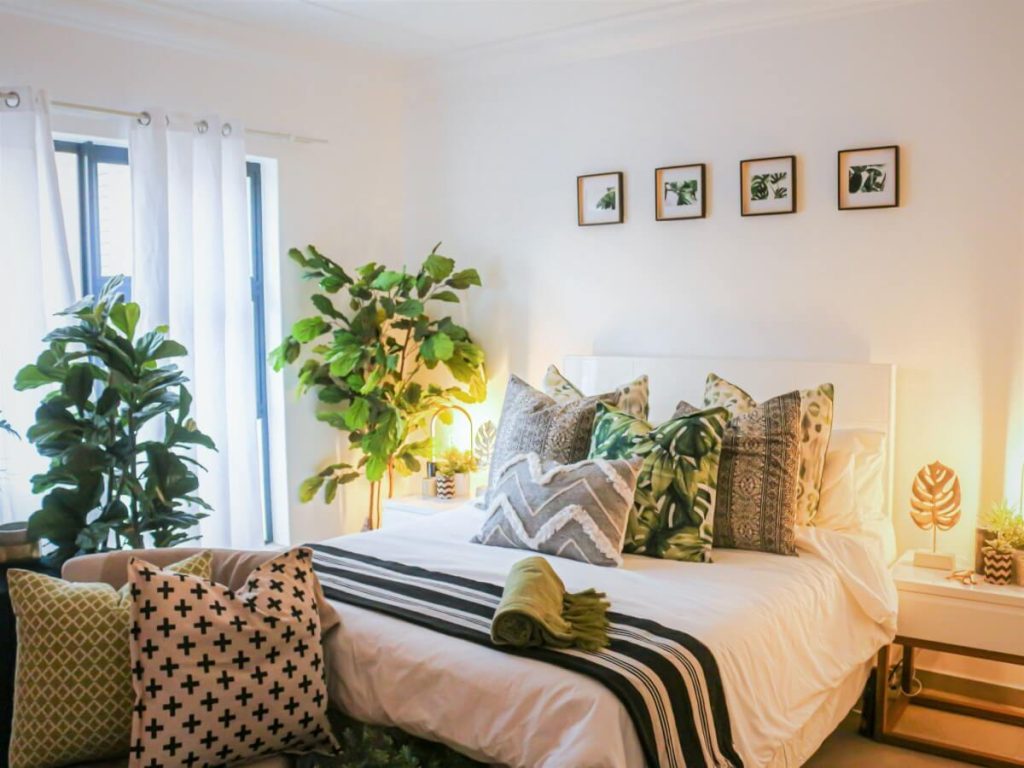

Best Paint Colors for a Small Bedroom With Little Natural Light
The Best (and Worst) Paint Colors for a Dark Small Bedroom
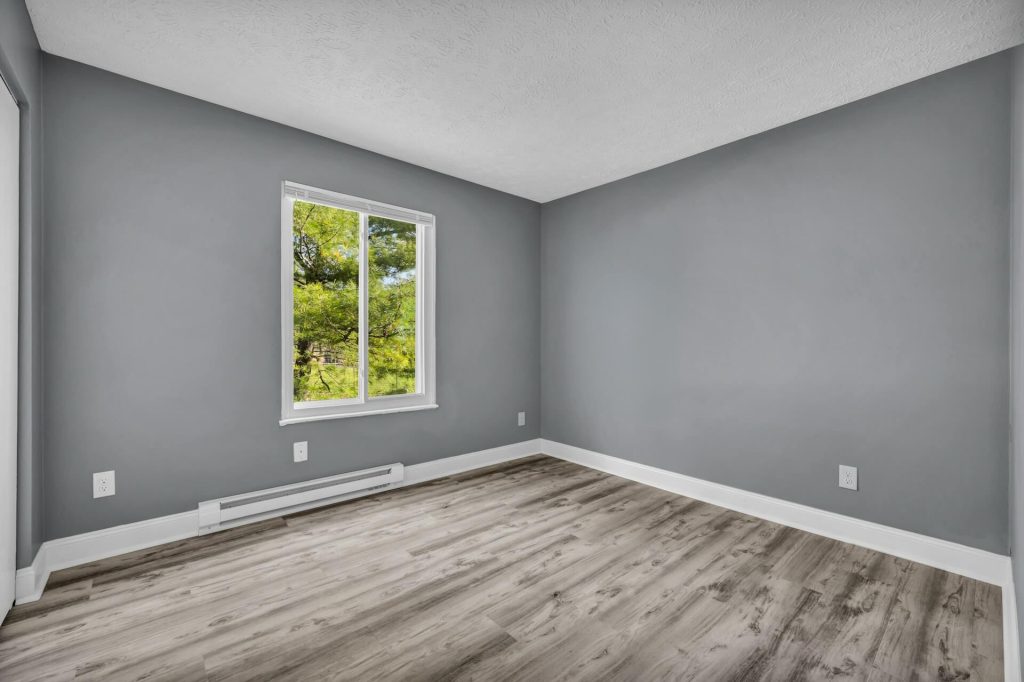
A small bedroom with one north-facing window has two problems working against it at once — limited square footage and limited light. Paint can’t add inches, but the wrong color can make a dim room feel smaller and murkier, while the right one can make it feel calm and intentional instead of just dark. The difference usually comes down to a number most people never check: LRV.
(This post is part of our Complete Small Bedroom Design Guide — start there for the full room-by-room framework. Once your walls are sorted, see How to Layer Lighting in a Small Bedroom Without Adding Clutter for how to light the room once the paint is on.)
Table of Contents
LRV: The One Number That Matters More Than the Color Name
LRV (Light Reflectance Value) measures how much light a paint color bounces back into a room, on a scale from 0 (absolute black) to 100 (pure white). Two colors that look similar in a paint chip — like a “greige” and a “warm gray” — can behave completely differently in a dim room if their LRVs are 20 points apart.
| LRV Range | How It Reads | Best Use in a Dark Small Bedroom |
| 70-90 | Bright, airy, can feel stark without warmth | Ceilings, trim, or the full room if light is extremely limited |
| 50-70 | Soft and warm, the sweet spot for most dim rooms | Walls — this is where most “light but not sterile” colors fall |
| 25-50 | Cozy but can read heavy in low light | Accent wall, or full room if you want a deliberately moody look |
| Under 25 | Dramatic, absorbs almost all light | Small accents only — avoid on full walls with little natural light |
For a small, tight bedroom, aim for an LRV of 50-65 on the main walls.
10 Colors That Work Well in Low-Light Small Bedrooms
The colors that we choose below are among the trending colors in 2026 that customers are choosing most this year. These colors are reliable performers in small and low-light rooms year after year. Here are the list of 10 wall colors that work in tight and low light small bedrooms.
| Color | Approx. LRV | Undertone | Best For |
| White Dove | 85 | Warm white | Trim, ceilings, or full room if very little light |
| Agreeable Gray | 60 | Warm greige | All-around safe choice, pairs with most furniture |
| Classic Gray | 74 | Cool-neutral | Rooms with some light but still want brightness |
| Skimming Stone | 56 | Warm stone | Cozy but not dark, works with wood tones |
| Sea Salt | 63 | Soft green-gray | Calming, works well with natural textures |
| Wickham Gray | 48 | Blue-gray | Slightly moodier, still workable in low light |
| Wonder | 58 | Warm blush-neutral | Renters wanting warmth without going bold |
| Universal Khaki | 55 | Warm earthy tan | This year’s most-requested neutral — pairs well with wood and natural textures |
| Rosemary | 52 | Muted sage green | A top 2026 bedroom pick — calming green without going dark |
| Naval | 4 | Deep navy | Accent wall or trim only — not full walls in a dark room |
Colors and Approaches to Avoid
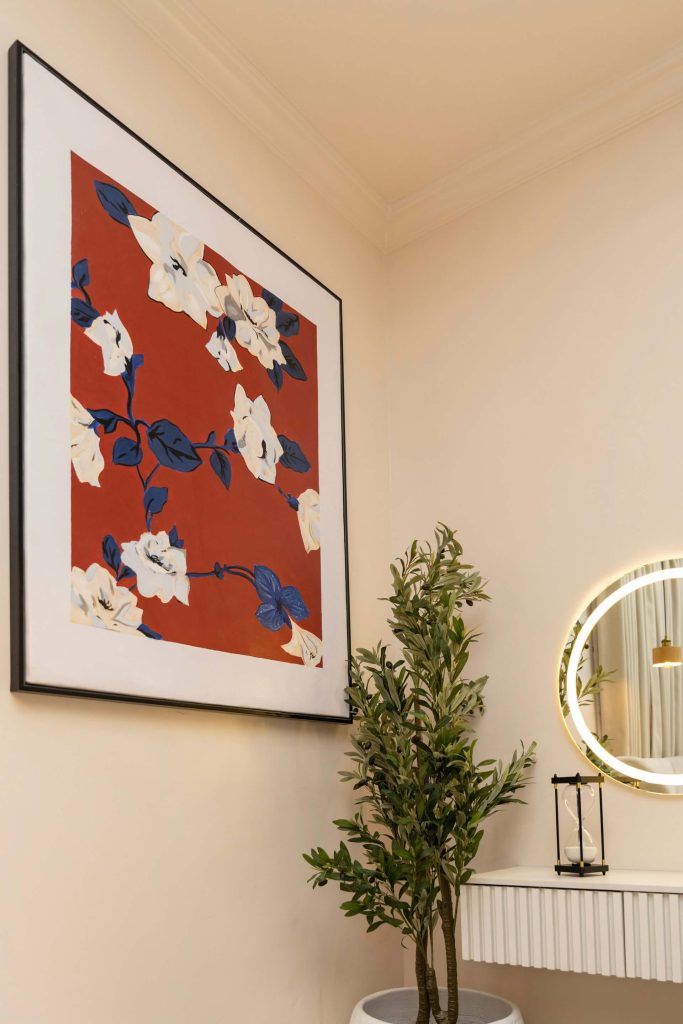
- True white on every wall. Counterintuitively, stark white (LRV 90+) in a room with little natural light can look flat and gray rather than bright, since there’s not enough light to make it glow the way it would in a sunny room.
- Cool-toned grays without warmth. A gray with a blue or green undertone and no warmth can read as cold or even slightly dingy under weak or artificial light.
- Deep, saturated color on all four walls. A moody navy or forest green can look stunning in a well-lit space, but on every wall of a dark small room it can feel like a cave rather than cozy — better used as a single accent wall or on trim.
- High-gloss finish on imperfect walls. Glossy sheens reflect more light in theory, but they also highlight every wall imperfection — an eggshell or matte finish in a slightly lighter color usually looks better in an older rental.
3 Ways to Make a Dark Room Feel Lighter With Paint Alone
- Paint the ceiling the same color as the walls, just one shade lighter. This removes the visual “cap” a white ceiling can create against darker walls and makes the whole room feel taller and more continuous.
- Use a warm off-white on trim and door frames even if the walls are a deeper color — the contrast helps define the room’s edges, which matters more in low light than in a bright room.
- Test swatches at night, not just during the day. A color that looks perfect at noon can shift dramatically under a warm bedside lamp or a cool overhead LED — paint a swatch and check it under your actual evening lighting before committing.
How to Test a Color Before Committing
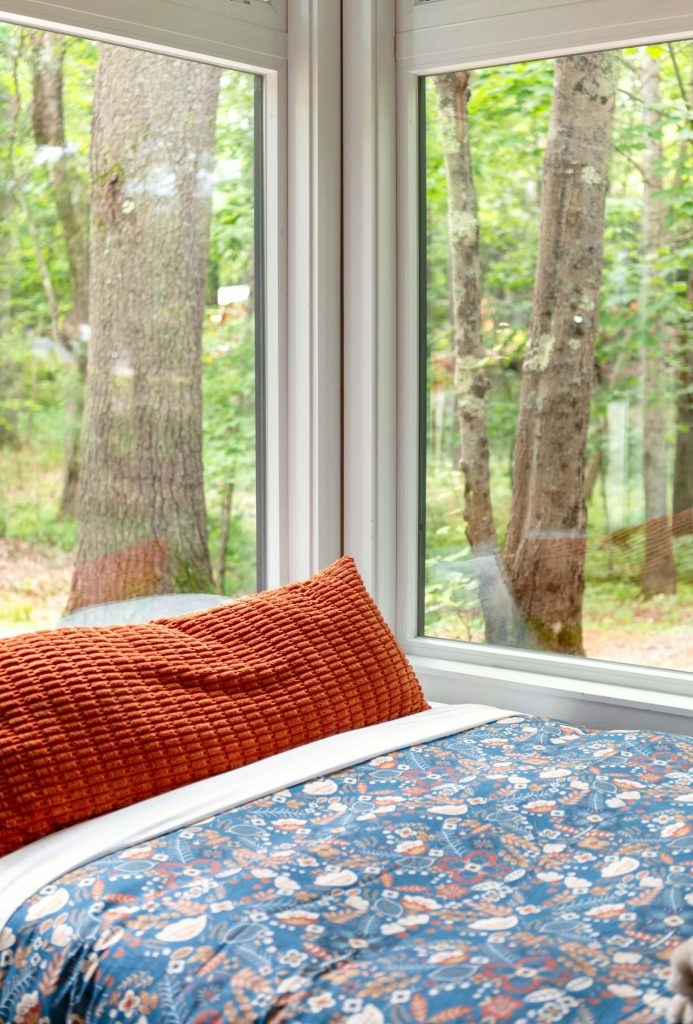
Skipping this step is the single most common reason a paint color looks perfect on the chip and wrong on the wall. Follow these five steps before you buy a full gallon:
- Paint a swatch directly on the wall, at least 12×12 inches. Don’t test on a separate board or piece of paper — your wall’s texture and the room’s existing light both change how a color reads.
- Paint 2-3 candidate colors side by side, with a few inches of gap between them, so you can compare undertones directly instead of relying on memory.
- Check the swatches at three different times of day: mid-morning, late afternoon, and after dark with your lamps on. Natural and artificial light shift a color’s undertone more than most people expect.
- Live with the swatches for at least 24-48 hours before deciding — a color you love on day one sometimes reads differently once the initial excitement wears off.
- Photograph each swatch in each lighting condition on your phone. Comparing photos side by side often reveals undertone differences your eye adjusts past in the room itself.
A color that holds up across all three lighting checks is a far safer bet than one that only looks good in a single moment.
A printable version of these 5 steps is available as a downloadable infographic — save it to reference while you’re testing swatches.
FAQ
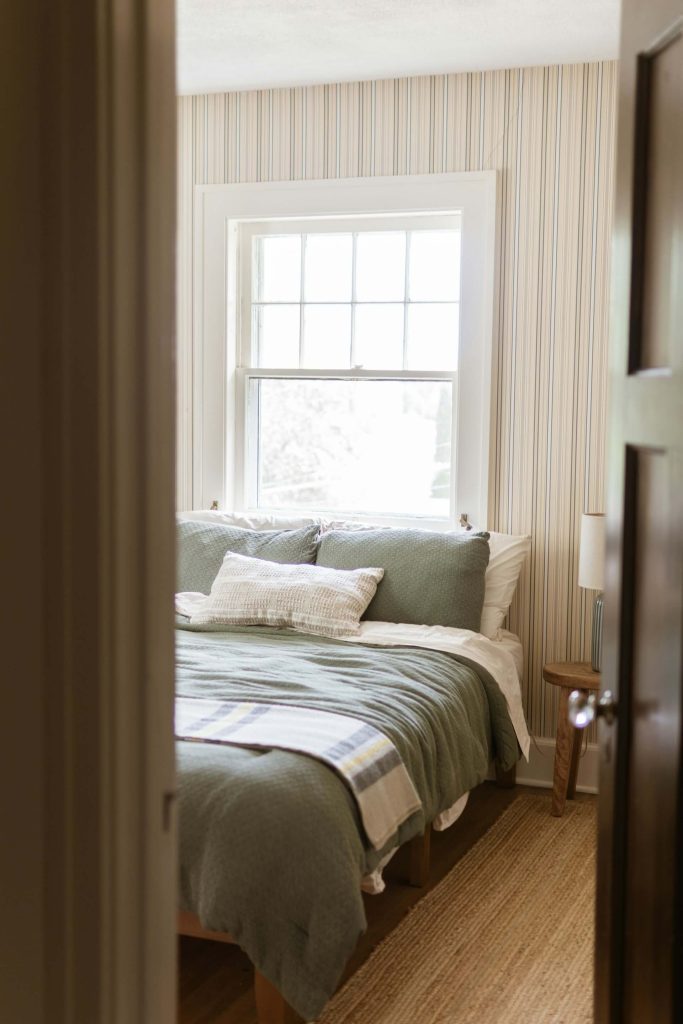
What LRV is too dark for a small bedroom with little light?
Below roughly 25 on full walls tends to feel heavy in a room that’s already short on natural light. That doesn’t mean deep colors are off-limits entirely — they just work better as an accent wall or on trim rather than covering every surface.
Does a lighter paint color actually make a small room look bigger?
It helps, but LRV and warmth matter more than simply going lighter. A warm, mid-to-high LRV color (50-70 range) generally makes a small dim room feel more open than either a stark white or an overly saturated deep color.
Should the ceiling always be white?
Not necessarily. In a room with little natural light, a stark white ceiling can create a harsh contrast against warmer walls. Painting the ceiling the same color as the walls (a shade or two lighter) often reads as more cohesive and can make the room feel taller.
What’s the difference between a north-facing and south-facing room for paint choice?
North-facing rooms get cooler, flatter light throughout the day, which can make cool-toned paints look even colder. South-facing rooms get warmer, more direct light. For a north-facing small bedroom, leaning toward warm undertones (even in a gray or greige) usually looks better than a true cool-toned color.
Is matte or eggshell better for a small dark bedroom?
Eggshell is usually the better all-around choice — it reflects slightly more light than flat/matte while still hiding minor wall imperfections better than a satin or gloss finish.
Can I test paint colors without buying full sample pots?
Peel-and-stick paint swatches (available from most major paint brands) are a fast, mess-free way to test a color in your actual room and lighting before committing to a full sample pot or gallon.
Want the full framework for planning every part of a small bedroom, not just the paint? Check out our Complete Small Bedroom Design Guide for room diagnosis, furniture, lighting, storage, and decor strategies.